Solitaire, halo, trilogy, signed ring. Stone first, mount second.
How the Budapest exchange file is read
An engagement ring carries a story, and that story is nobody's business but yours. Owners who contact an exchange desk in Budapest have usually made their decision already. What they want is a calm, documented answer about what the ring represents on today's market.
That answer is built in two halves. The centre diamond is assessed as a stone, using the certificate, the measurements and its visible condition. The mount is assessed separately, as metal, workmanship and, where relevant, a signature. Merging the two too early is how sellers end up with a figure they cannot follow.
Why the centre stone and the setting are read separately
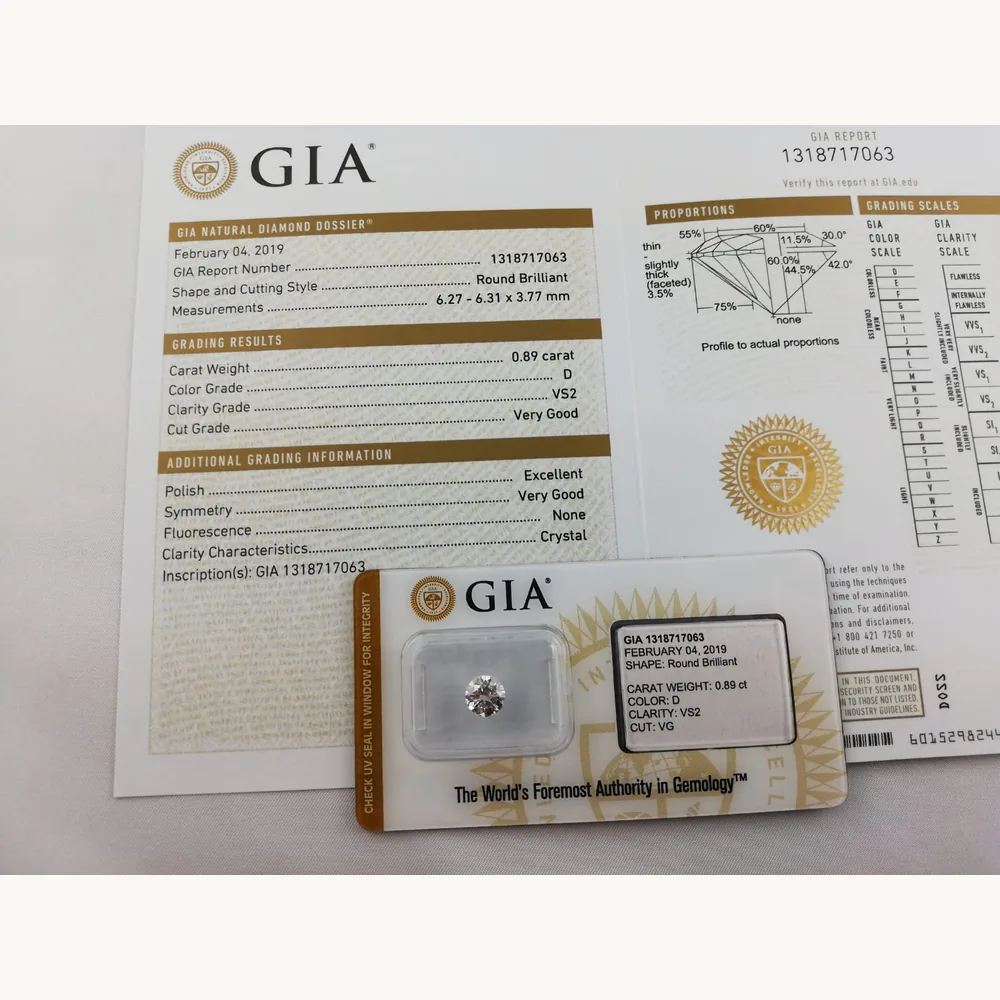
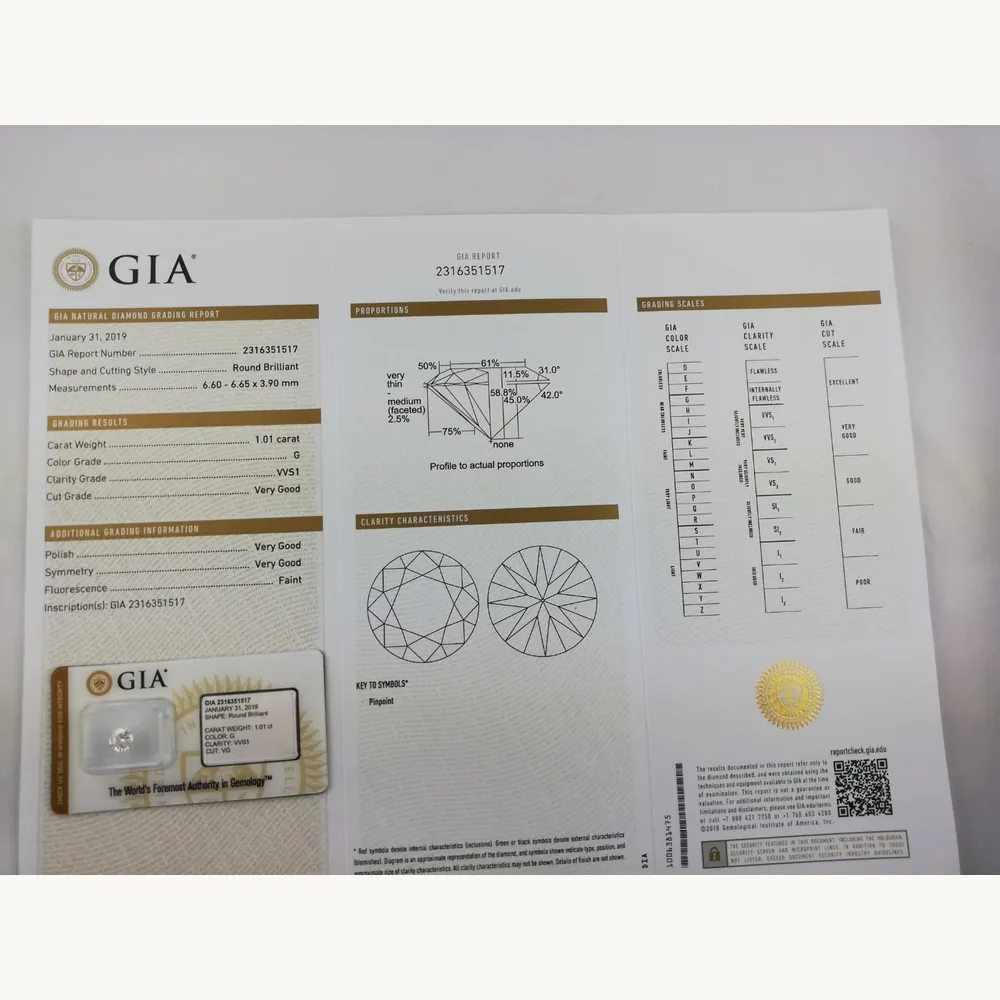
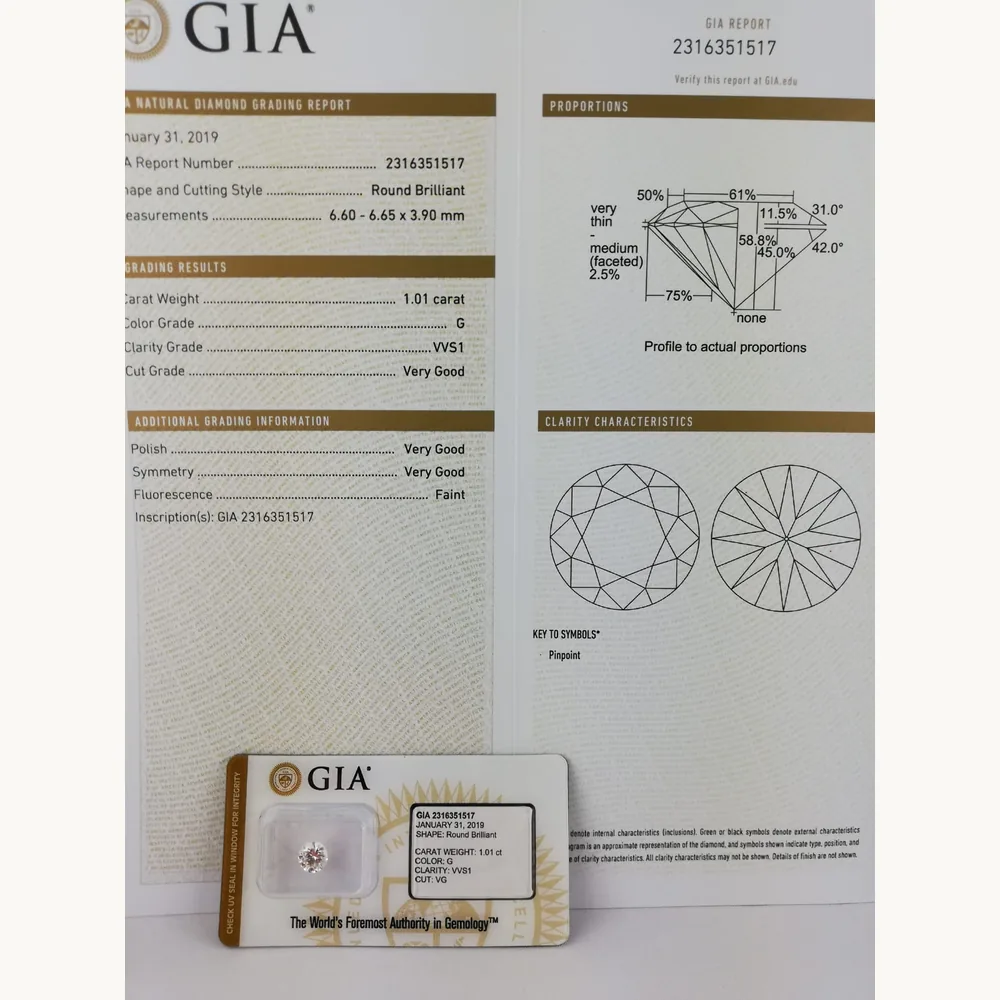
In an engagement ring the centre diamond usually accounts for the larger share of the resale value. Its certificate, weight, colour, clarity and cut grade can be compared against a market that trades equivalent stones daily, and that comparability is what makes a serious offer possible.
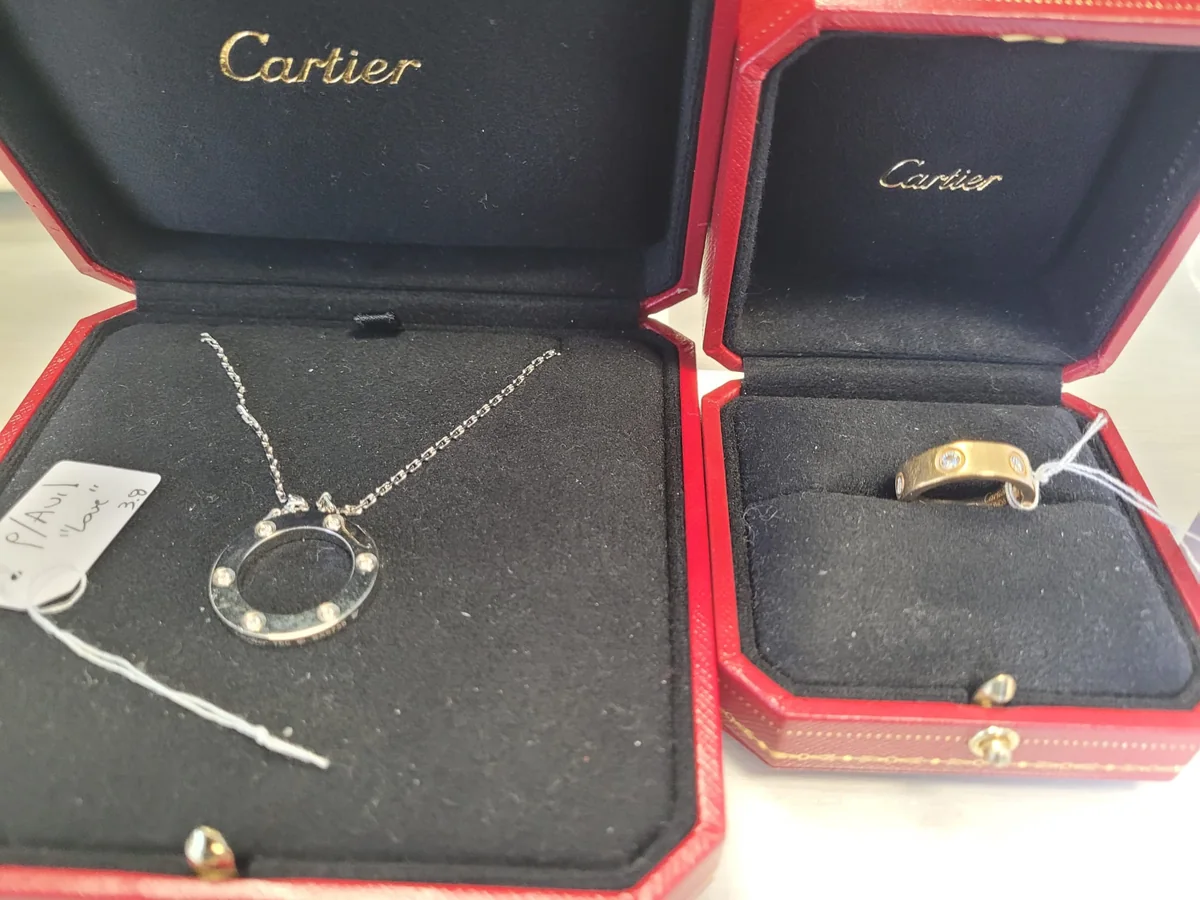
A setting behaves differently. Platinum and gold carry an intrinsic metal value, but a well-made mount from a recognised workshop can be worth more than its weight, while a worn or heavily resized band may have to be treated as material. Read together, both facts disappear.
The documents that make a remote first answer possible
The certificate is the single most useful document. A GIA, HRD or IGI report number lets the stone be checked against the laboratory database before anyone travels. If the report has been lost, the number is often printed on the original invoice or an old insurance valuation.
Beyond that, the purchase invoice, the box and any repair or resizing receipts help establish the ring's history. Photographs matter as much as paperwork: one from directly above, one from the side showing the mount's profile, one of the hallmarks inside the shank, one of the certificate.
Discretion when the sale follows a separation
Rings often reach the market after an engagement has ended. You will not be asked to explain the circumstances. The file is handled under a reference, correspondence stays in whichever language you prefer, and nothing is shown to third parties without your instruction.
In practice that means no shop window, no social media and no public listing with photographs a mutual acquaintance might recognise. Appointments are arranged individually rather than in a waiting room, and the ring goes home with you exactly as it arrived if you decide not to proceed.
What tends to raise or lower a ring's resale value
A modern round brilliant in a commercially popular weight, with a strong cut grade, is straightforward to place. An older cushion or European cut is judged on a different scale, where antique character can be an asset rather than a defect.
On the mount side, condition, hallmark clarity and whether the design still reads as contemporary all count. Damage is rarely fatal: chipped girdles, worn claws and thinned shanks are routine and can be quantified, but they are better identified at the outset than discovered later.
How an appointment in Budapest is arranged
Nothing is scheduled until the written answer has been sent and you have had time to consider it. If the figures make sense, an appointment is proposed at a time that suits you, and the ring is examined in front of you, with a loupe and a scale on the table.
You are free to bring someone with you, to pause the examination, or to leave with the ring. A firm price is confirmed only once the piece has been seen; any number given beforehand is a range, with the reasons for its width stated plainly.