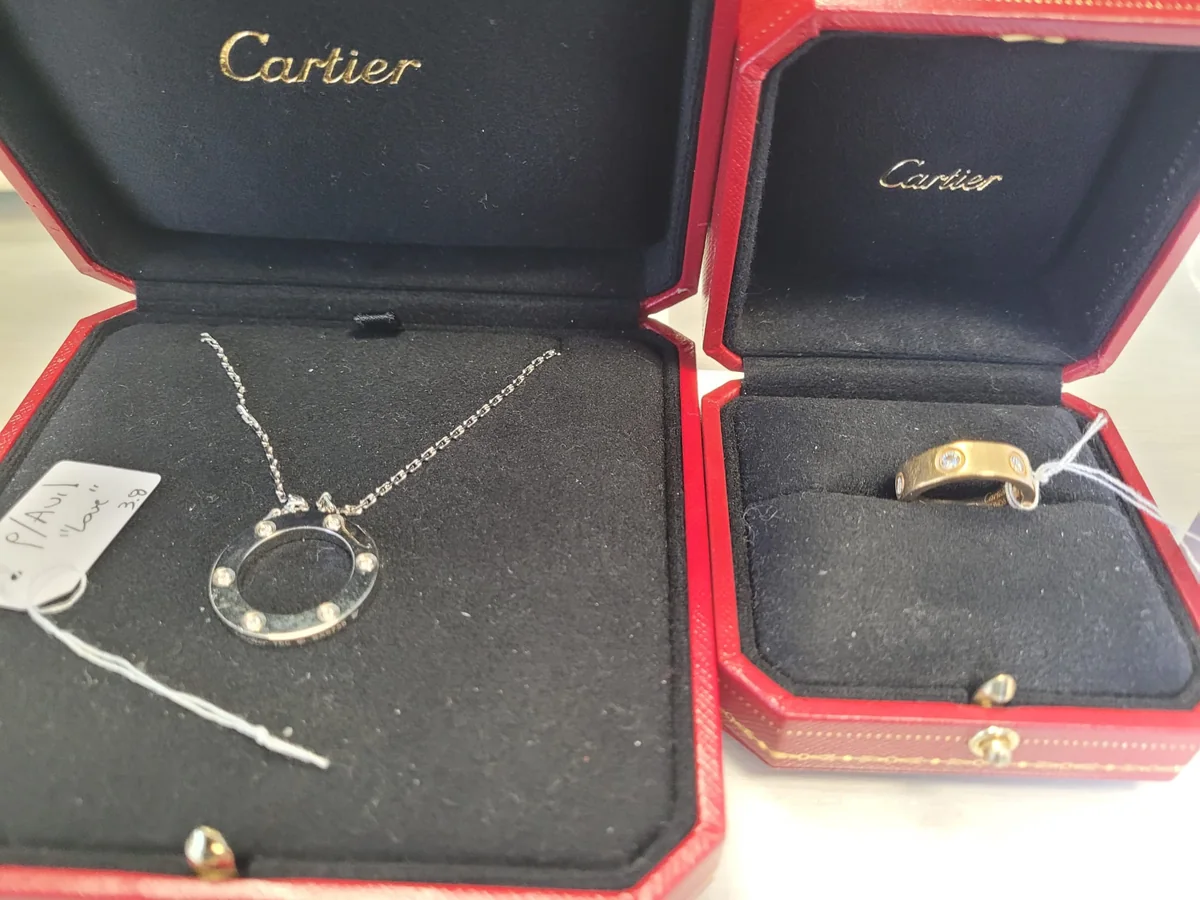
Cartier, Van Cleef & Arpels, Bulgari, Chopard, Boucheron.
How the Budapest exchange file is read
There is a persistent belief that a signature guarantees a premium. It does not. A signature opens the possibility of one, and whether it is realised depends on three things: that the piece is unquestionably authentic, that the model is one buyers currently want, and that condition has not undone the workmanship.
This is also the category in which sellers lose the most by going to the wrong counter. A signed bracelet weighed and quoted as gold is a common and expensive mistake, and it cannot be undone once the piece has been melted.
What authentication actually looks at
Signed pieces carry marks that are read together rather than one by one: the maison signature, the metal fineness mark, the assay or maker's mark, and a serial or reference number. Their form, position and typography have changed across the decades, and consistency between them matters as much as their presence.
Beyond the marks, construction tells the story. Clasp engineering, the finish inside a setting, the profile of a link and the way stones are seated are hard to reproduce convincingly. Where doubt remains, verification through the maison's archive or an independent specialist is proposed rather than guessed.
Box, invoice and certificate: how much they change
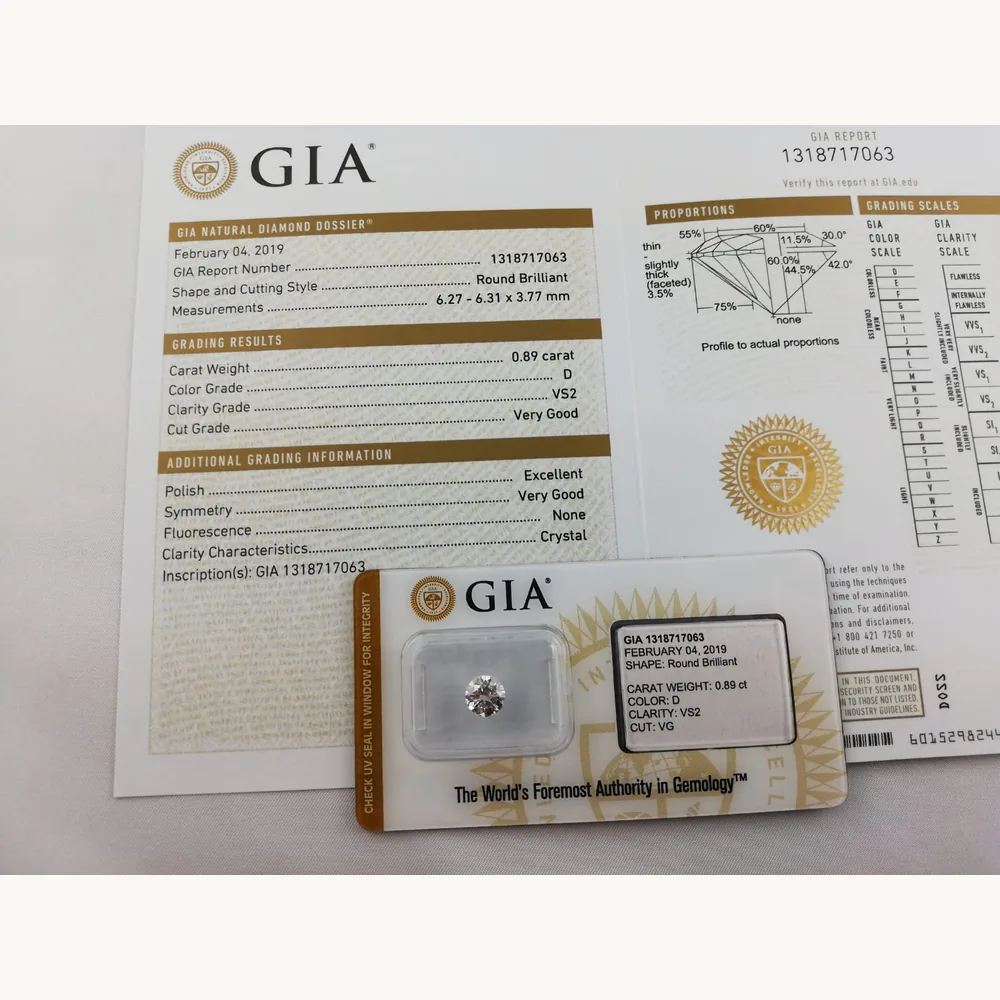
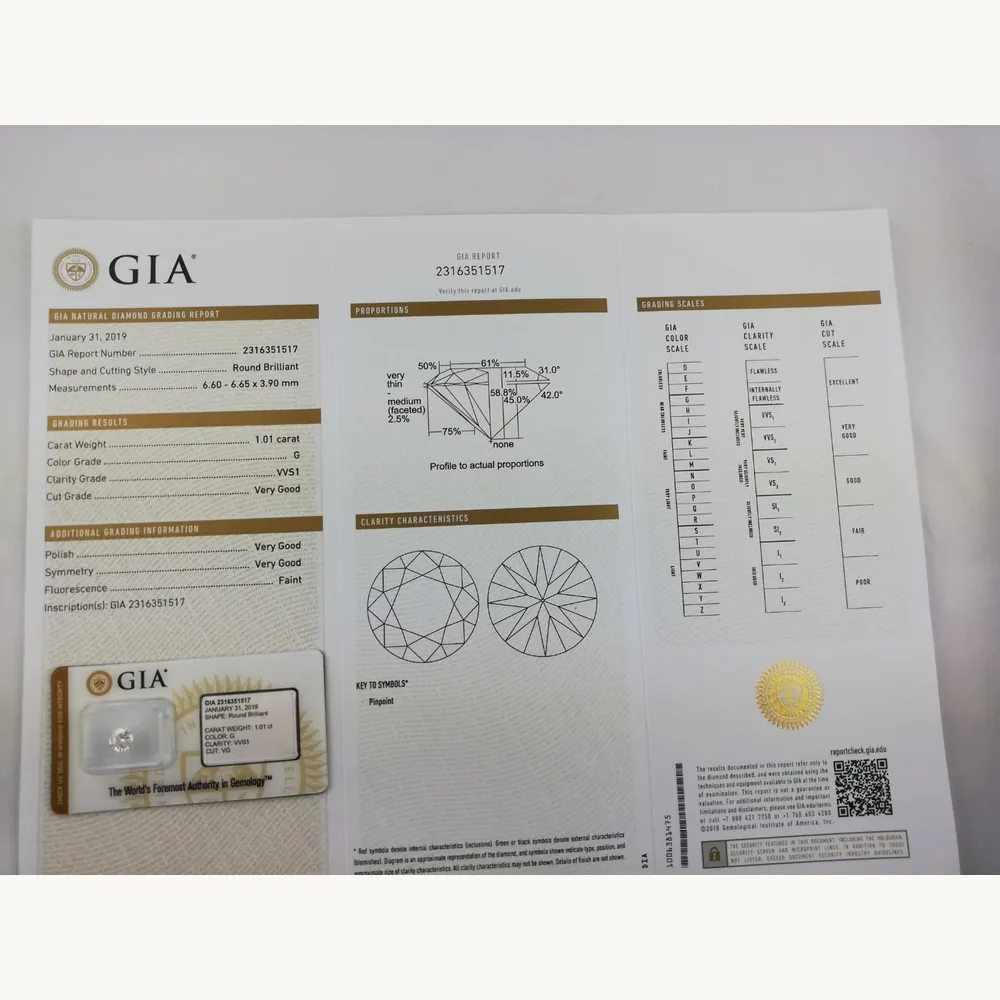
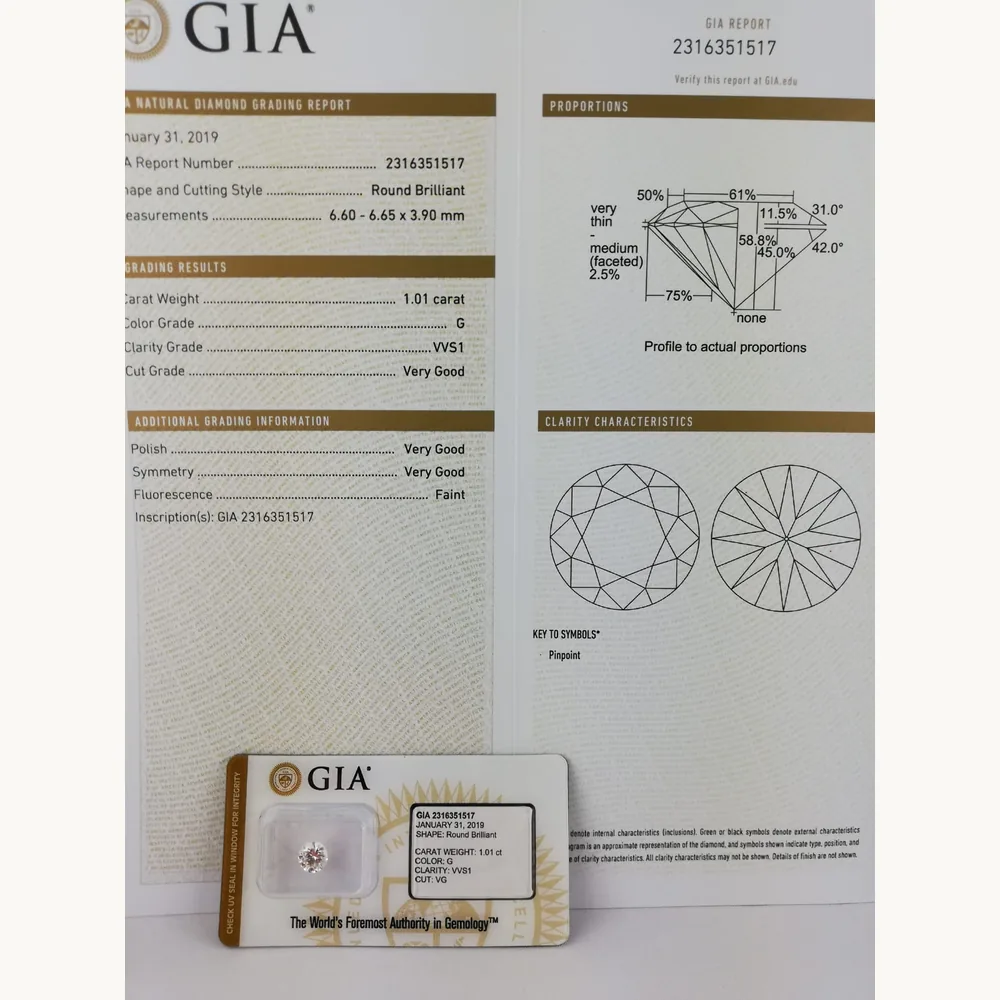
Complete provenance, meaning the original box, the original invoice and any maison certificate, usually shortens the resale cycle, and a shorter cycle supports a firmer figure. The effect is largest where authenticity is the buyer's main concern and smallest on models that inspection alone can verify.
Their absence is not disqualifying. Inherited pieces often arrive with nothing and are assessed on the jewel itself. What helps is anything documenting the chain: a service receipt from the boutique, an old insurance schedule, a photograph of the piece being worn decades ago.
Not every model resells at the same speed
Within a single maison, liquidity varies. Long-running lines that are still in production have a steady secondary market and can be placed without much delay. Discontinued high jewellery may be rarer and technically superior yet take considerably longer to reach the right buyer.
That difference in time shows up in the offer, and it is one of the few points where a private sale through a specialist may suit you better than an immediate direct purchase. Where that applies, it is said openly rather than hidden inside a lower number.
Condition, servicing and what cannot be undone
Condition is judged against the age of the piece, not against new. Light wear on a bracelet worn for thirty years is expected and priced as such. What is penalised is intervention: replacement stones, a resized link that breaks the pattern, or a laser weld visible under magnification.
Before selling, resist the urge to have anything polished or restored locally. Servicing by the maison is documented and generally read as positive; independent restoration on a signed piece is more often deducted than credited, because a buyer has to assume the worst about what was replaced.
From first message to written offer
Send photographs of the piece as a whole, of the signature, of the serial number and hallmarks, and of the clasp. Include box, invoice or certificate if you have them, and say what you know about where the piece came from, even if it is only a family recollection.
The written reply identifies the model where possible, states what the marks support and what still needs confirming in person, and separates the material value from whatever the signature adds. If the second is negligible for that particular piece, you are told so, with the reason given.