Várkerület, Rózsadomb, Hegyvidék – Districts I, II and XII.
How the Budapest exchange file is read
Buda is residential in a way Pest is not. Behind the villas of Rózsadomb, above the Castle and in the family apartments of District XII, jewellery sits in a drawer or a bank box for decades. When the moment to sell arrives, it is usually an inheritance, a move abroad, a separation, or the realisation that nobody will wear the piece again.
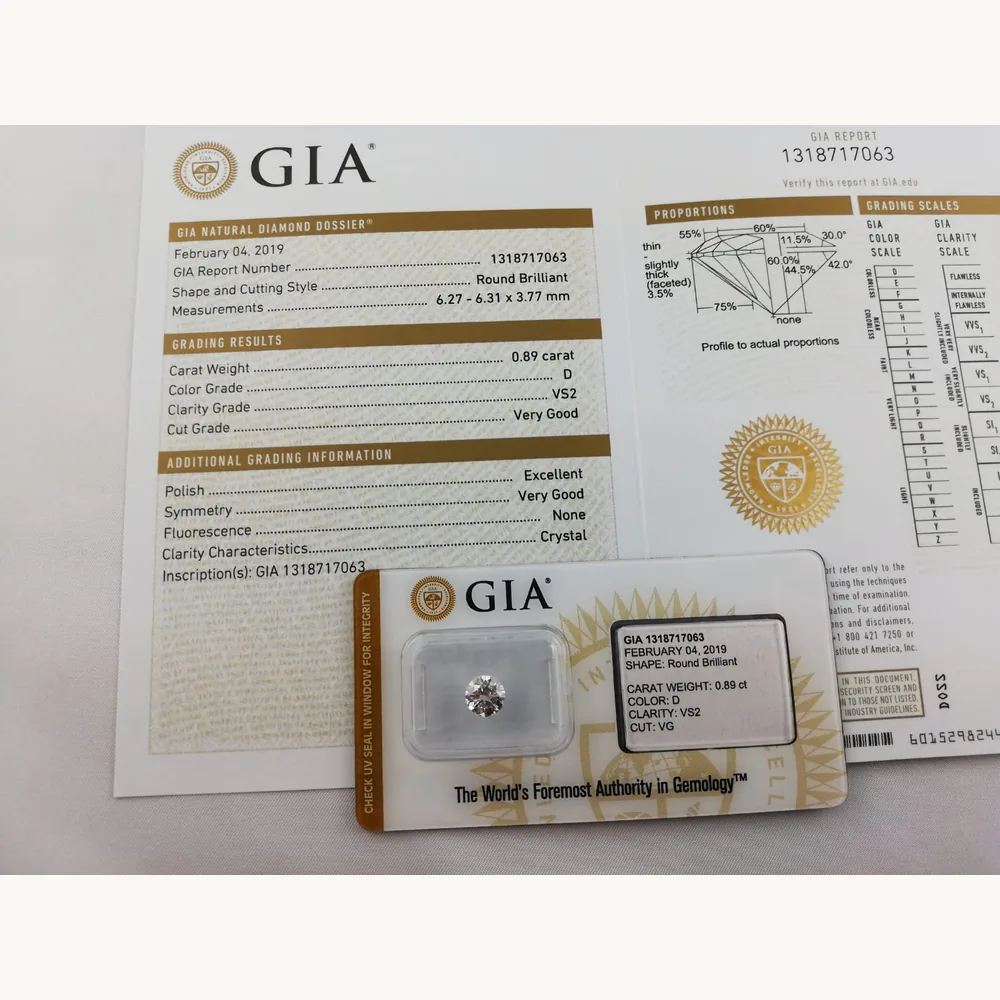
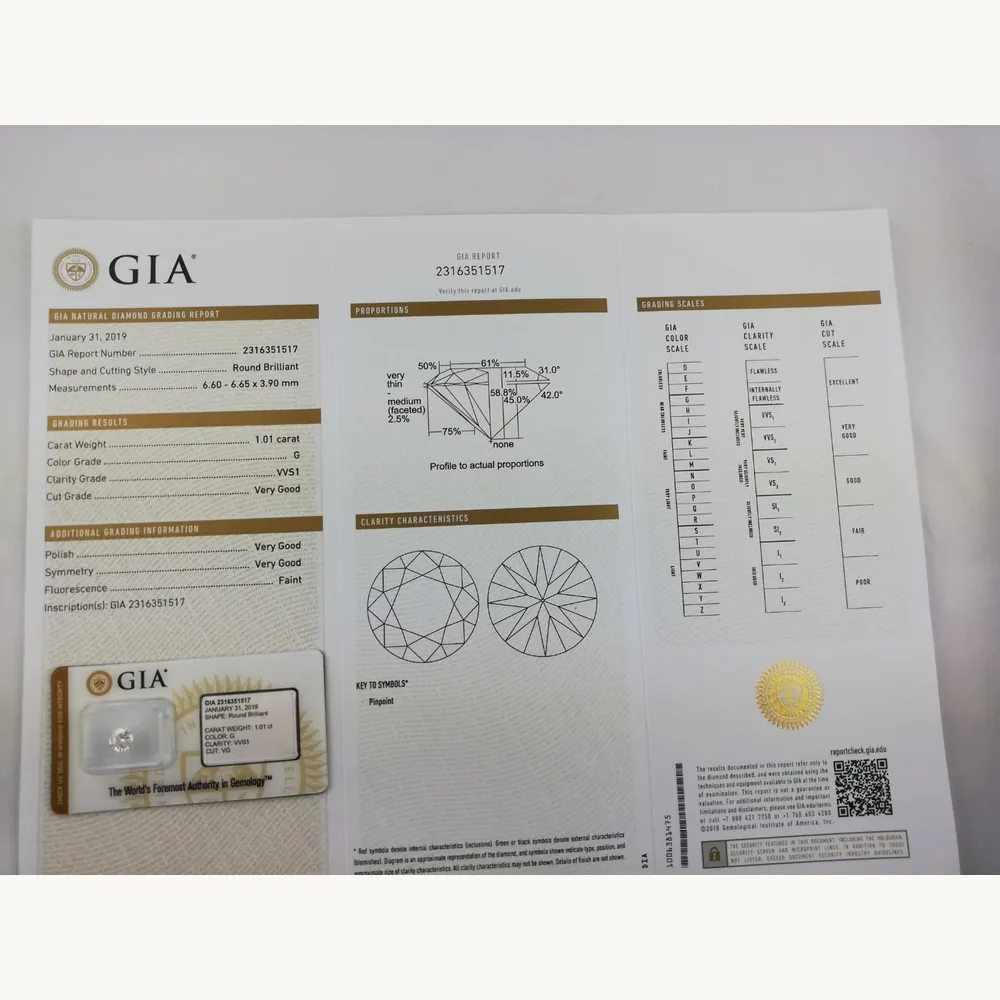
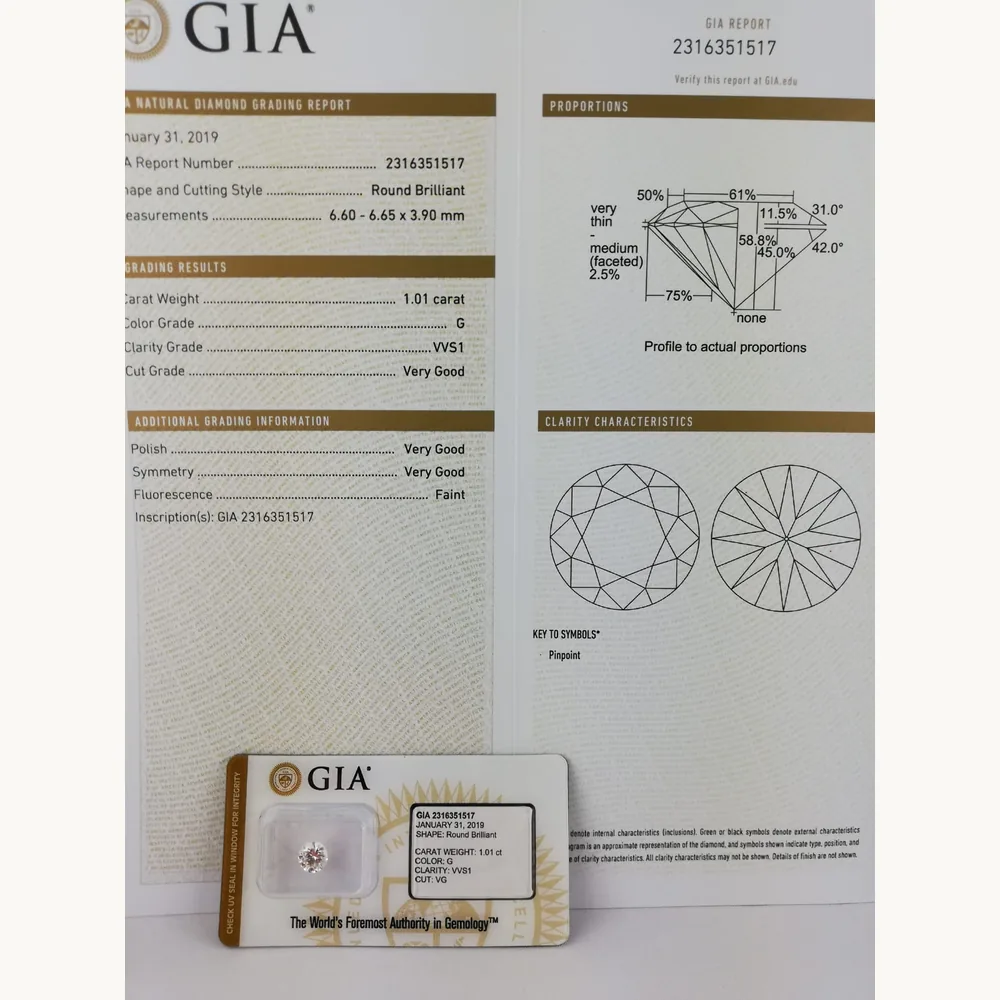
Diamond Exchange Budapest handles these files as it handles every file: documents first. Send the certificate, the invoice, photographs of the hallmarks and a few clear images, and you receive a written, reasoned first reading before anyone suggests a meeting. Nothing valuable leaves your home until that reading says the trip is worth making.
Why Buda files rarely look like Pest files
Requests from Districts I, II and XII seldom involve a stone bought last year. More often it is a piece acquired in the 1960s or 1970s, a ring that crossed a border in a coat pocket, or a set divided informally between siblings and never properly valued.
That changes the method. A modern certified stone can be read from its report number in minutes. An older Buda piece has to be read as a whole: hallmark, workmanship, cutting style, metal and setting. An old European cut is not a failed brilliant; it is a different product with buyers of its own.
What usually arrives from the Buda side
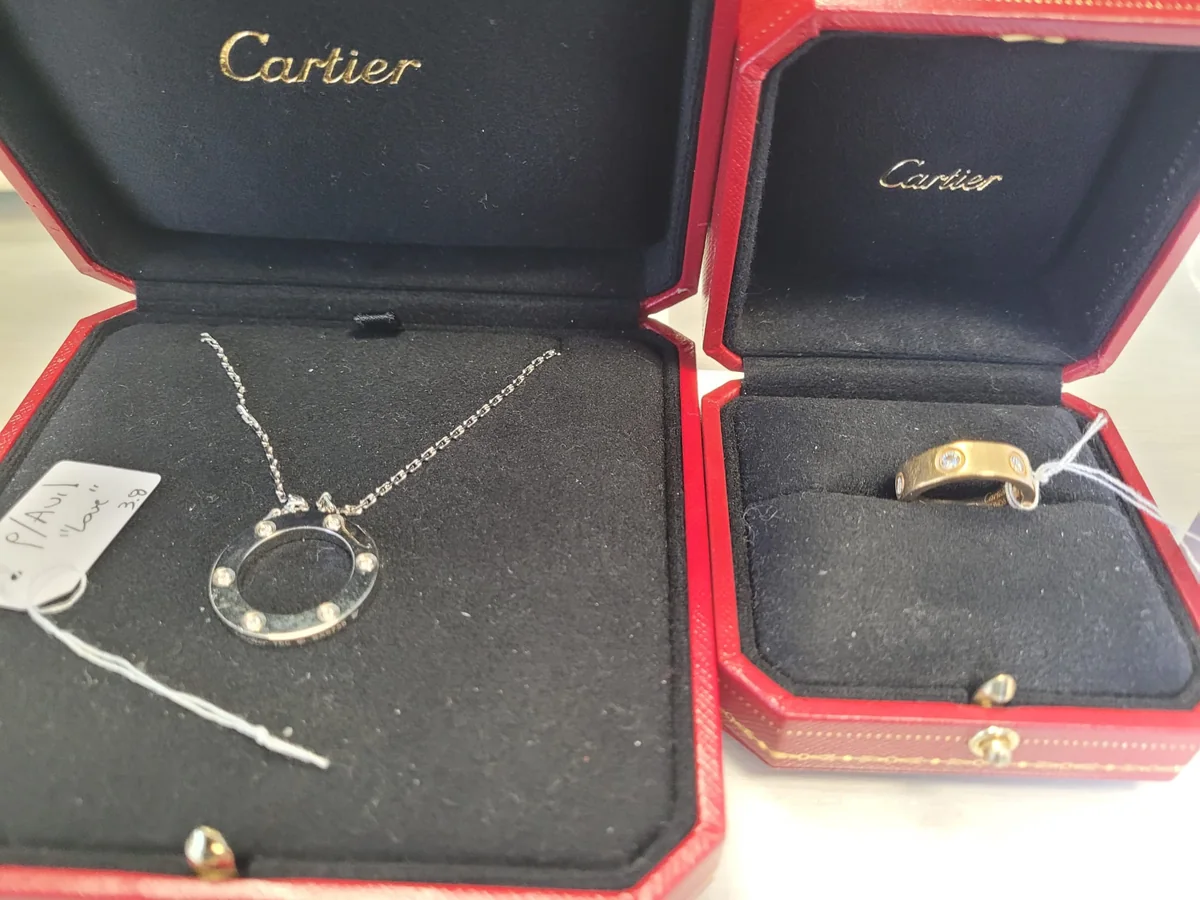
Requests fall into a few recognisable groups. Inherited solitaires and cluster rings with no laboratory report. Brooches, bracelets and earrings in yellow gold set with many small stones. Signed pieces from Cartier, Van Cleef & Arpels, Bulgari or Chopard, boxed or not. And loose stones kept after an old mounting was broken up.
International files are common here too: households that have spent years abroad, families with property in two countries. Certificates issued elsewhere, invoices in foreign currency and valuations written in English are all workable; they simply have to be read for what they are.
Certificate first, and never the other way round
The sequence does not change: documents and photographs arrive, we read them, and you receive a written assessment of what the paperwork supports and what still needs clarifying. Only then is a meeting discussed. No firm price is promised before the piece has been examined, because a figure given blind tends to be revised downwards in the room.
Diamond Exchange Budapest is an exchange desk rather than a retail counter, with a circle of dealers and valuers behind it. A certified solitaire, a signed maison piece and an undocumented Victorian ring do not interest the same buyer, so each file goes to the part of that circle where such items are genuinely traded.
Older documents, Hungarian hallmarks and pre-1990 pieces
Hungarian hallmarking has changed several times over the last century, so an unfamiliar mark is not a warning sign in itself. Maker's marks, assay marks, repair traces, replaced shanks and re-tipped claws all tell part of the story. The inside of a band often says more than the stone above it.
Old invoices, probate inventories and insurance schedules all help, provided everyone understands what they measure. A replacement value written for an insurer describes buying a comparable piece at retail. A resale offer describes what a professional can pay and still trade the item on. Most disappointment starts with those two being read as one.
How an appointment on the Buda side is arranged
Meetings happen by prior arrangement only, never on a doorstep and never in a café. You may bring a family member, a lawyer or an adviser; decisions involving several heirs are entirely normal here.
The examination is unhurried but short. Stone and mounting are weighed and measured separately, checked against the certificate where one exists, and discussed openly with you. If the offer does not suit you, the piece leaves with you, and on request we set out in writing what we saw.