English throughout. Documents first, appointment second.
How the Budapest exchange file is read
Most owners who write to us in English are in the same position. They hold something of real value, a report or an invoice is somewhere in a drawer, and there is no reliable way to judge whether the answer they receive is a serious one. The point of this desk is to close that gap before anyone meets.
Nothing is settled by telephone. The first exchange happens in writing, in English, and it rests on documents rather than impressions. You send what exists, we explain what can be read from it, what is missing, and what would change the conclusion. An appointment is worth arranging only after that.
Selling in a language you do not read
A jewellery transaction runs on small signals: the wording of a report, a hallmark, an old repair, the offhand way a stone is described. When those signals arrive in Hungarian, a foreign owner loses the means to check them and ends up trusting the person across the counter entirely.
Correspondence in written English removes much of that exposure. You keep a record, you can show it to a relative, a lawyer or a second professional, and you can take the time you need. Nothing that matters is ever said out loud and nowhere else.
What to send in a first message
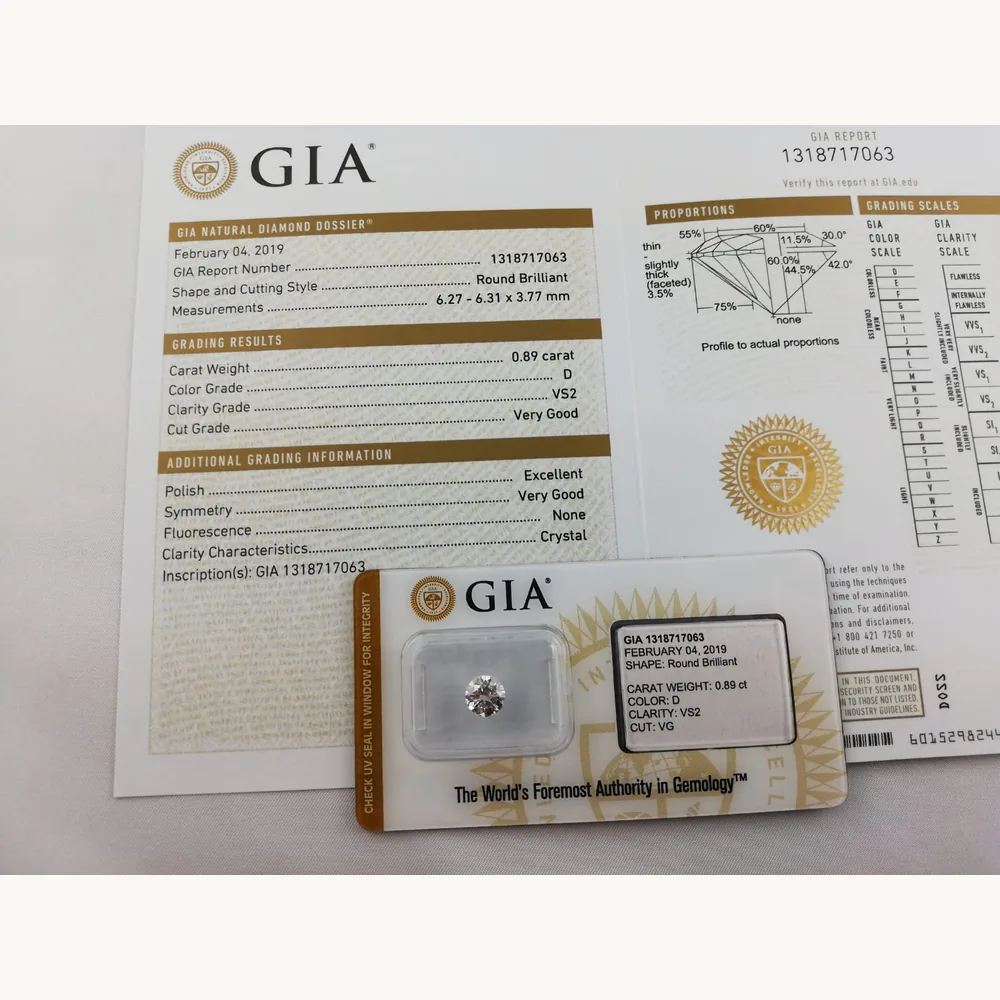
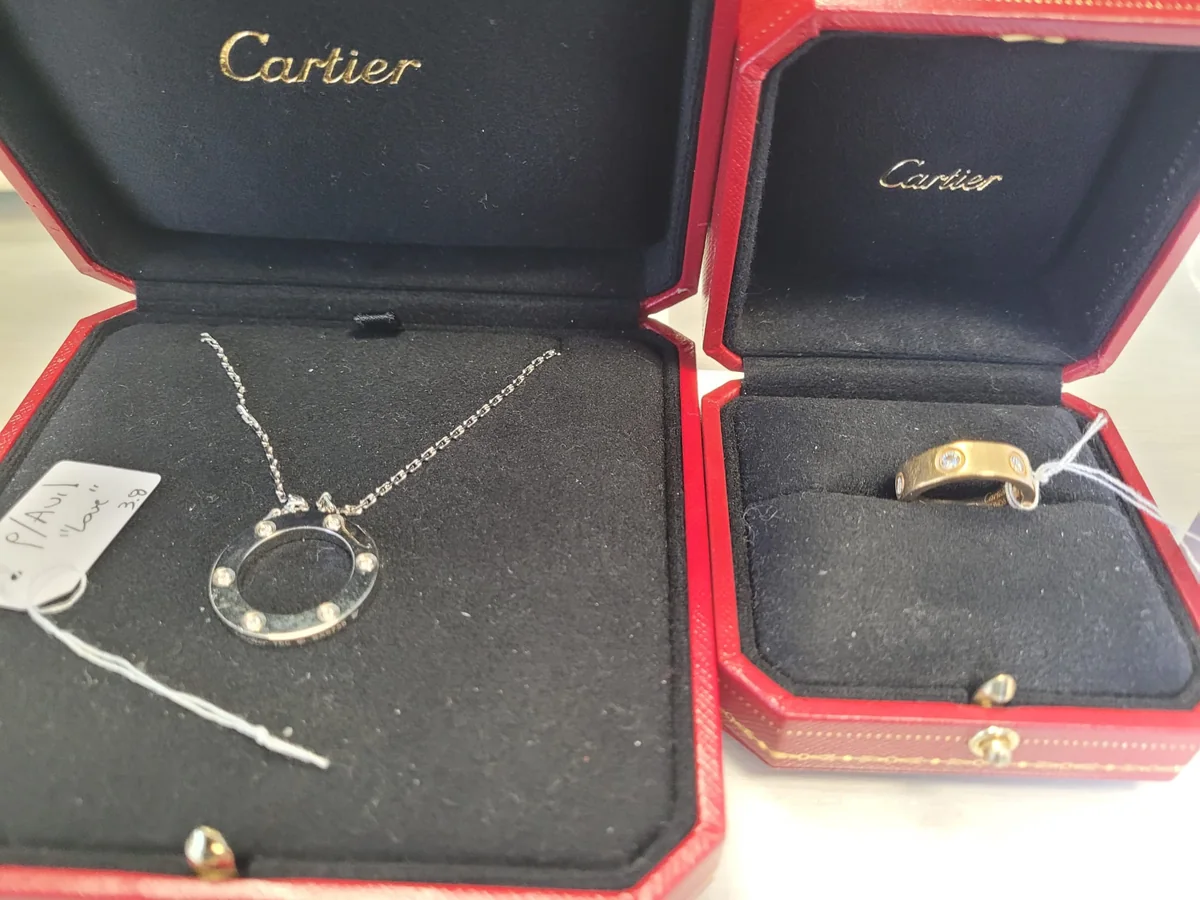
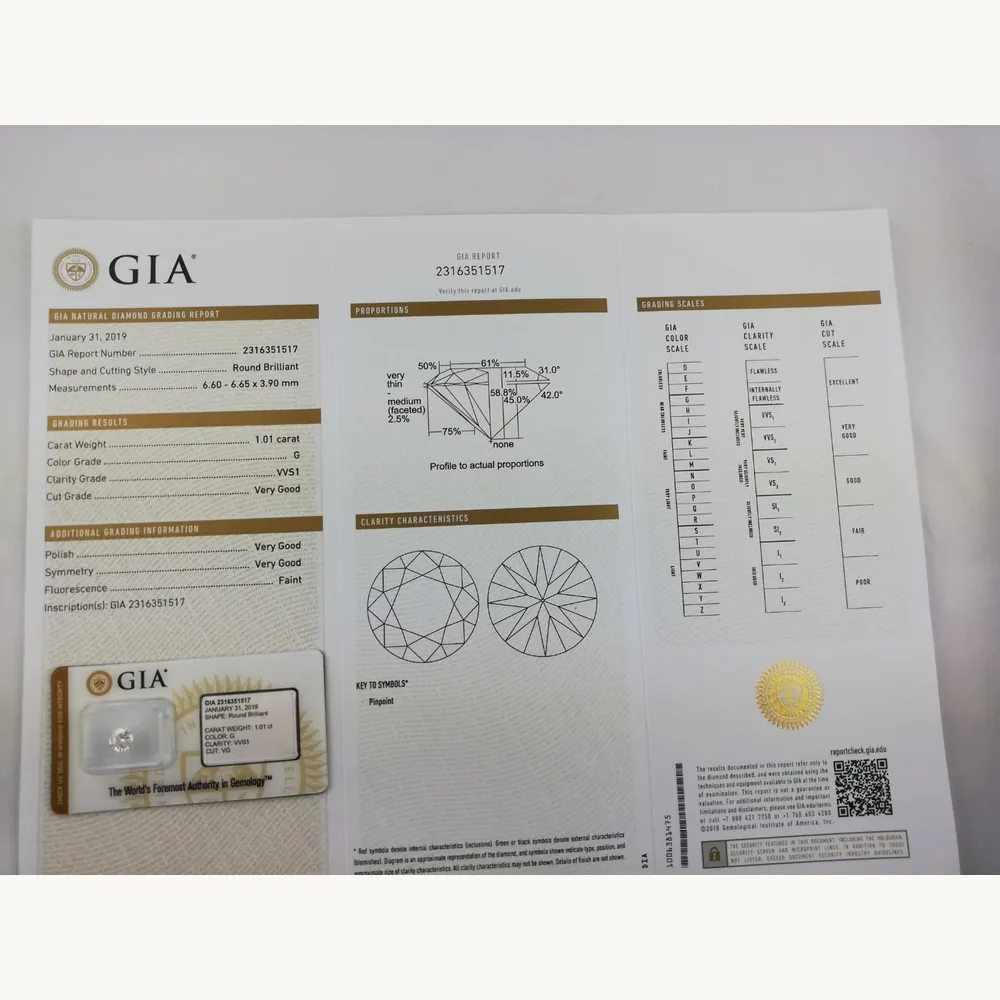
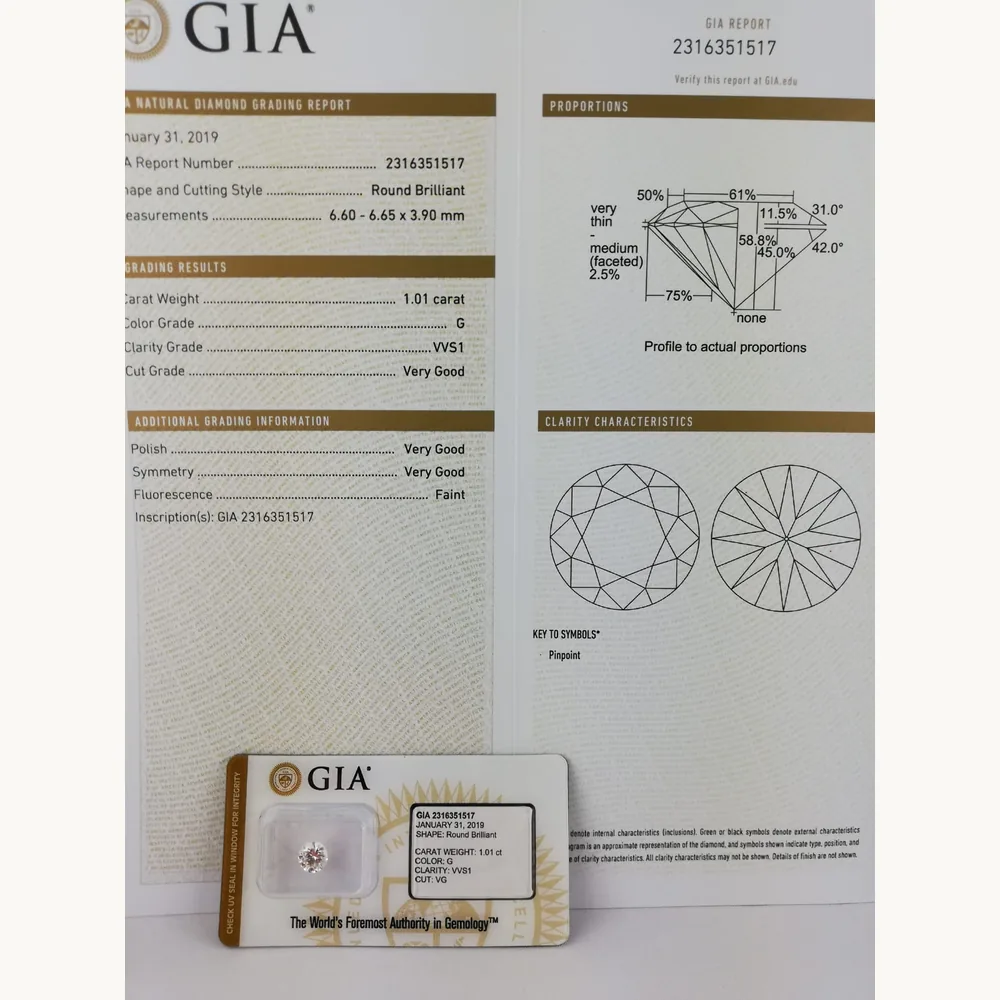
The useful minimum is short: the report number if the stone is graded, clear pictures from above and from the side, a detailed shot of any hallmark or maker's punch, and the original purchase papers if they were kept. For a mounted diamond, the underside of the setting often tells more than the front.
Say also what you would like to happen, and by when. A posting that ends in three weeks, an estate being divided, and an owner simply testing the water are three different files deserving three different replies. Overstating urgency gains nothing, and concealing it gains no more.
The written answer, and its limits
From documents and photographs a range can usually be described and, more usefully, explained: which elements carry the value, which raise doubt, and what an examination would have to confirm. The reasoning is set out in English so that you can weigh it instead of taking it on faith.
What cannot honestly be done at a distance is fix a firm figure. Colour reads differently on a screen, clarity characteristics may not photograph, and a setting can hide damage or a substituted stone. A precise price promised from images alone is a guess, and usually one revised downwards later.
The appointment
Meetings are private, booked for a set time and held in English. Your piece is opened up under loupe and scale, with the instruments needed to confirm what the paperwork claims, while you watch. Nothing is taken away to another room and you are never parted from it.
Where the examination matches the remote reading, an offer follows together with the reasoning that produced it. Where it does not, you are told why in the same plain terms. Walking out with the piece and no sale is an ordinary result, and it costs you nothing.
What discretion means here
Discretion is promised everywhere and defined almost nowhere. Here it means that few people see a file, that no client name appears in anything published, and that nothing written to us is ever repurposed for promotion. Expatriate and diplomatic owners need a sale to leave no visible trace, and that is the standard applied.
It also means no pressure. There are no follow-up campaigns, no reminders built to manufacture urgency, no offer said to expire on Friday. If you choose to wait a year before deciding, the file and the reasoning behind it will still be here.