Gold and platinum, emerald, sapphire, ruby, designer pieces, watches.
How the Budapest exchange file is read
Collections rarely arrive tidy. A single envelope from a Budapest household might hold a diamond riviere, a pair of sapphire earrings, a gold chain worth exactly its weight, a watch nobody has wound since the 1990s, and a brooch whose maker is unknown. Each of those calls for a different reading.
Grouping them under one round figure is quick and rarely to the seller's advantage. The point of a component-by-component assessment is that whatever has value beyond its raw material is not quietly absorbed into a scrap calculation.
Gold and platinum: the floor, not the ceiling
Every metal piece has a floor value derived from its fineness and weight: 14 or 18 carat gold, 950 platinum, and the hallmarks that confirm them. That floor moves with the metal market, and it is the one figure in the file that can be calculated without judgement.
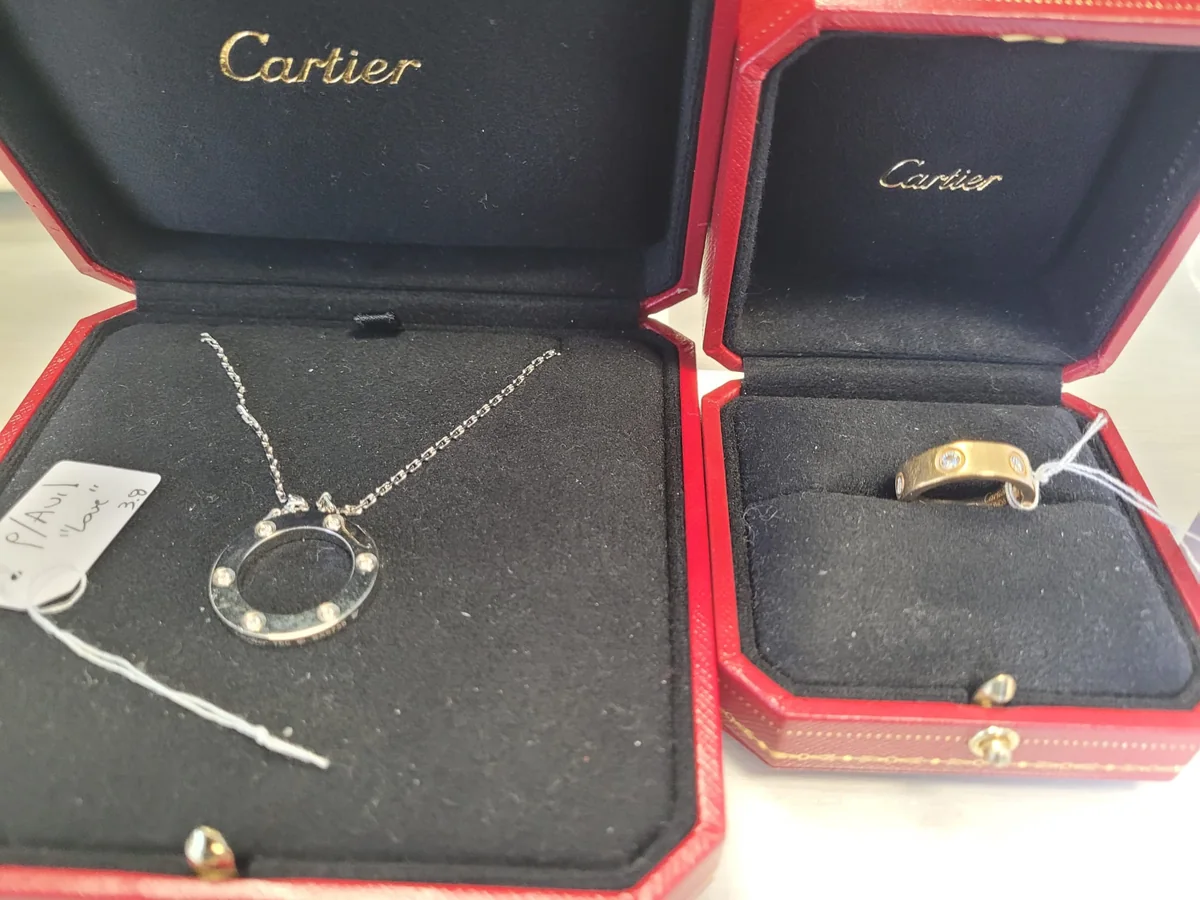
The mistake is to treat the floor as the answer. A hand-pierced Art Deco plaque, a recognised workshop's mark, or casting of unusual quality can be worth well above the metal content, and once melted that difference is gone for good. Anything bearing a mark is examined before weight is discussed.
Coloured stones follow their own rules
Emeralds, sapphires and rubies are not graded on the diamond scale, and their value turns on origin and treatment more than on any clarity grade. An unheated stone, or one with a documented origin, can sit at a different level from its neighbour, and neither fact is visible to the eye.
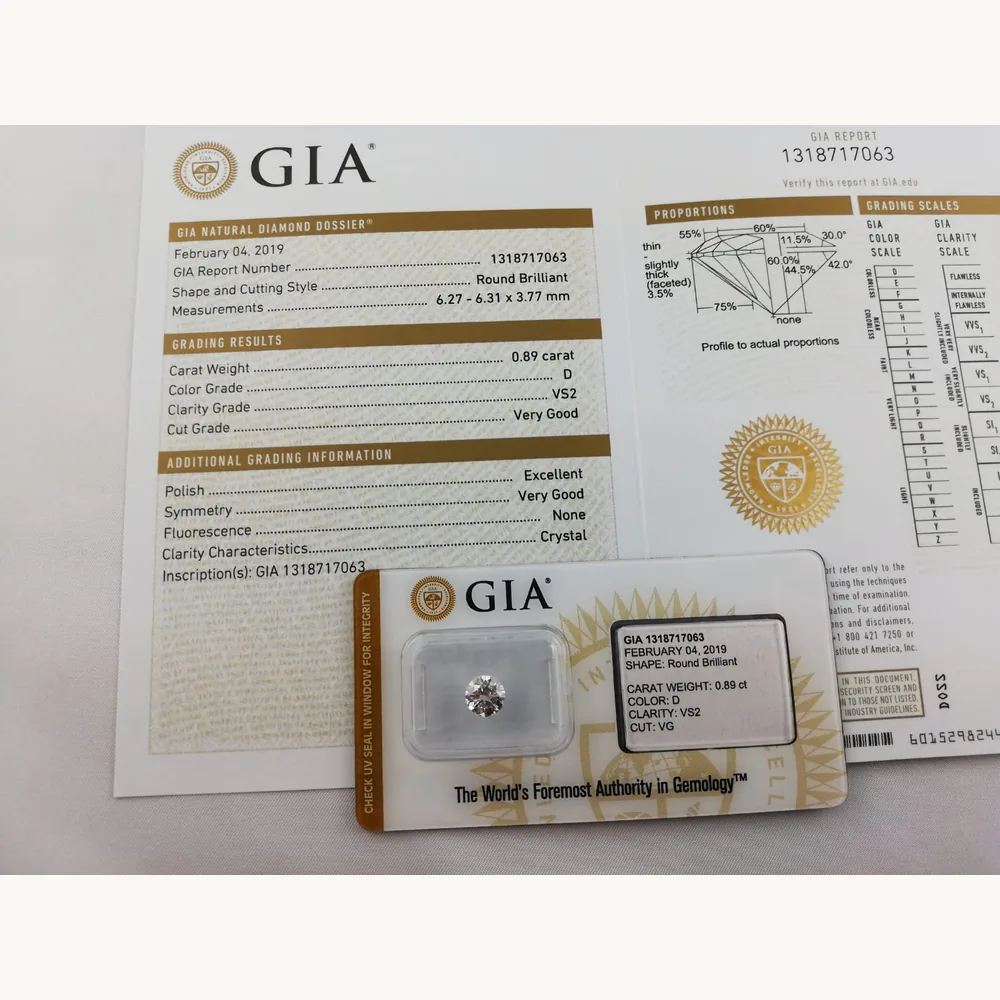
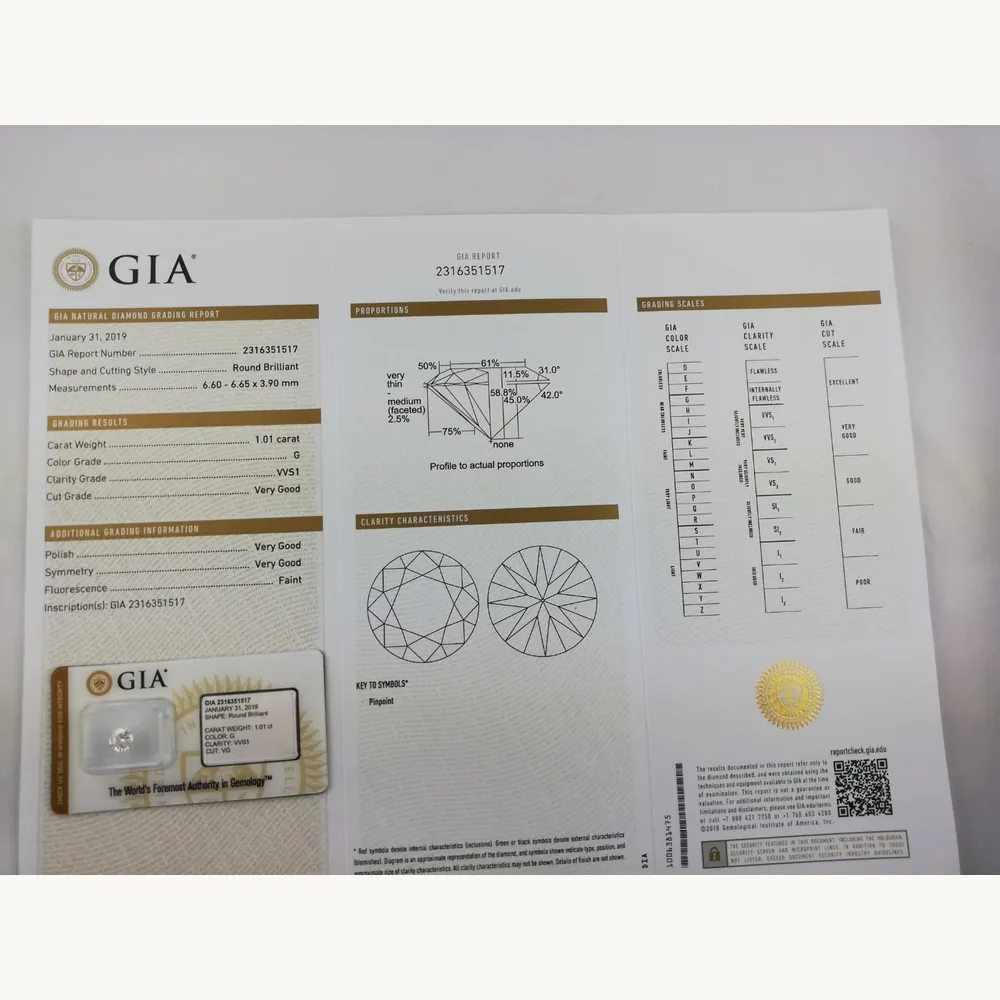
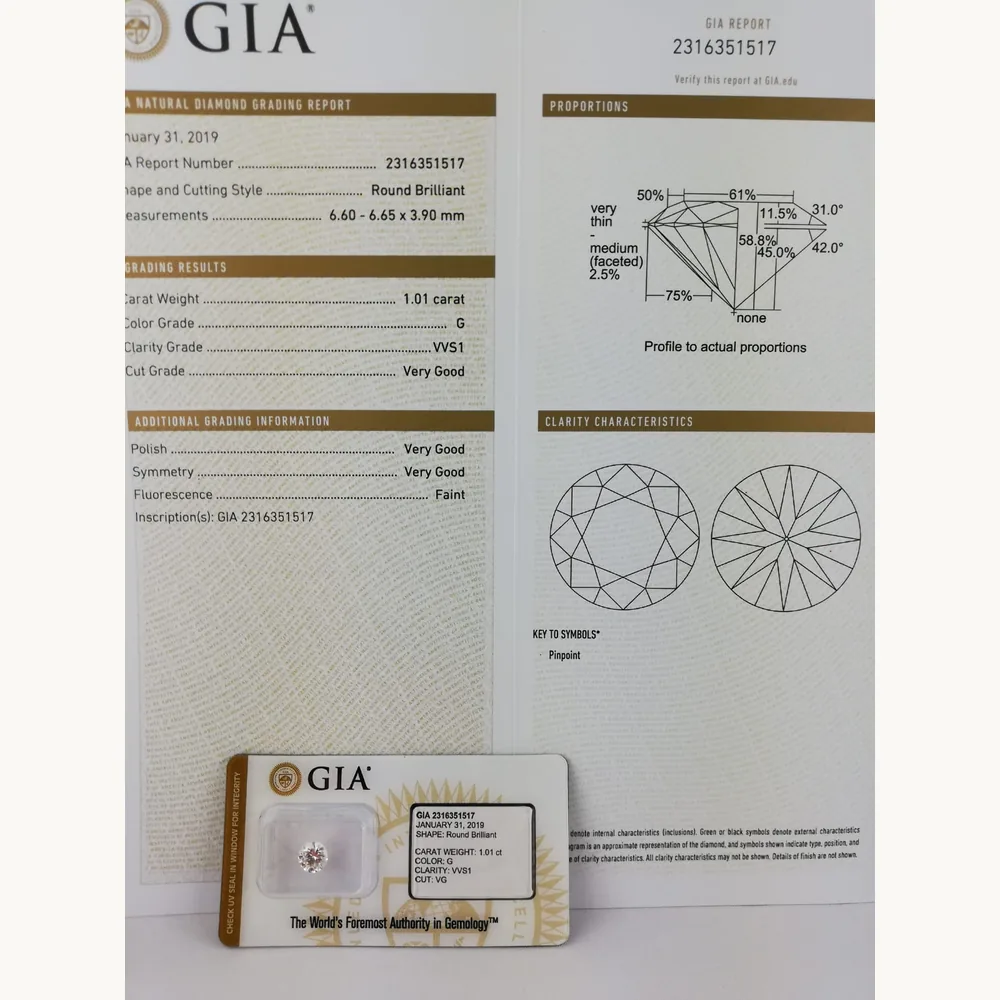
Where the stones are significant, a report from a recognised gemmological laboratory is what separates a cautious estimate from a confident one. If no report exists, the options are discussed openly, including whether testing is worth its cost for that particular stone.
Watches belong to a separate market
A watch arriving with a jewellery collection is assessed against the watch market rather than the jewellery one. Reference number, movement, service history, dial originality and whether the case has been polished thin all matter, and a replaced dial or bezel usually weighs more than a visible scratch.
Precious metal cases and diamond-set bezels give a watch a floor value just as a jewel has one, but for anything collectible that floor is beside the point. Box, papers and any service record are worth locating before the piece is offered anywhere.
Designer and period pieces without a famous name
Not every valuable jewel is signed by a maison. Twentieth-century Hungarian and Central European workshops produced pieces of real quality, and studio jewellery from the 1960s and 1970s has its own collectors. Maker's marks, assay marks and design vocabulary are all read before a piece is called anonymous.
Where a piece cannot be attributed, it is valued on materials, workmanship and wearability rather than on speculation. You are told which of the three is carrying the figure, so that you can judge whether further research on your side would be worth the effort.
How a mixed collection is handled in practice
Photograph everything laid out on a plain surface, then photograph individually anything with a stone larger than a few millimetres, every signature and every hallmark. Add whatever paperwork exists, however old. That is enough to sort the collection into pieces worth examining closely and pieces that are simply metal.
The written reply follows the same structure, item by item, so that you can sell part of a collection and keep the rest. Each item is read on its own, and dividing a family group is a normal outcome rather than a complication.