Certified diamonds, engagement rings, loose stones, inherited and signed jewellery.
How the Budapest exchange file is read
Diamond Exchange Budapest is an exchange desk rather than a shop window. Files arrive by message, are read against their documents, and receive a written reply before anyone proposes a meeting. The order is deliberate: the owner holds the reasoning before any figure reaches the table.
Behind the desk works a network of négociants, independent trade buyers who each concentrate on one category. A certified loose stone, a Cartier bracelet and an inherited brooch do not end up with the same buyer, and pretending otherwise is how value quietly leaks away. Much of the work is deciding which route a piece belongs on.
What passes across the desk
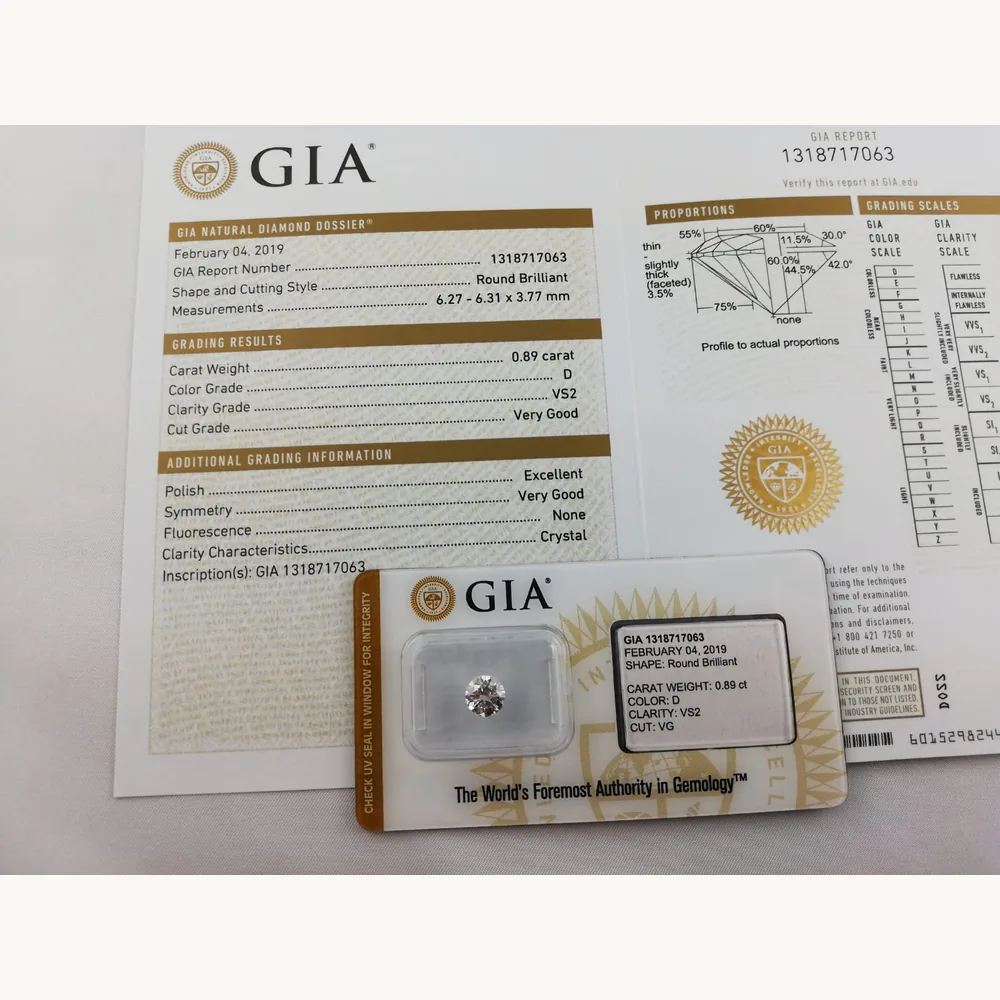
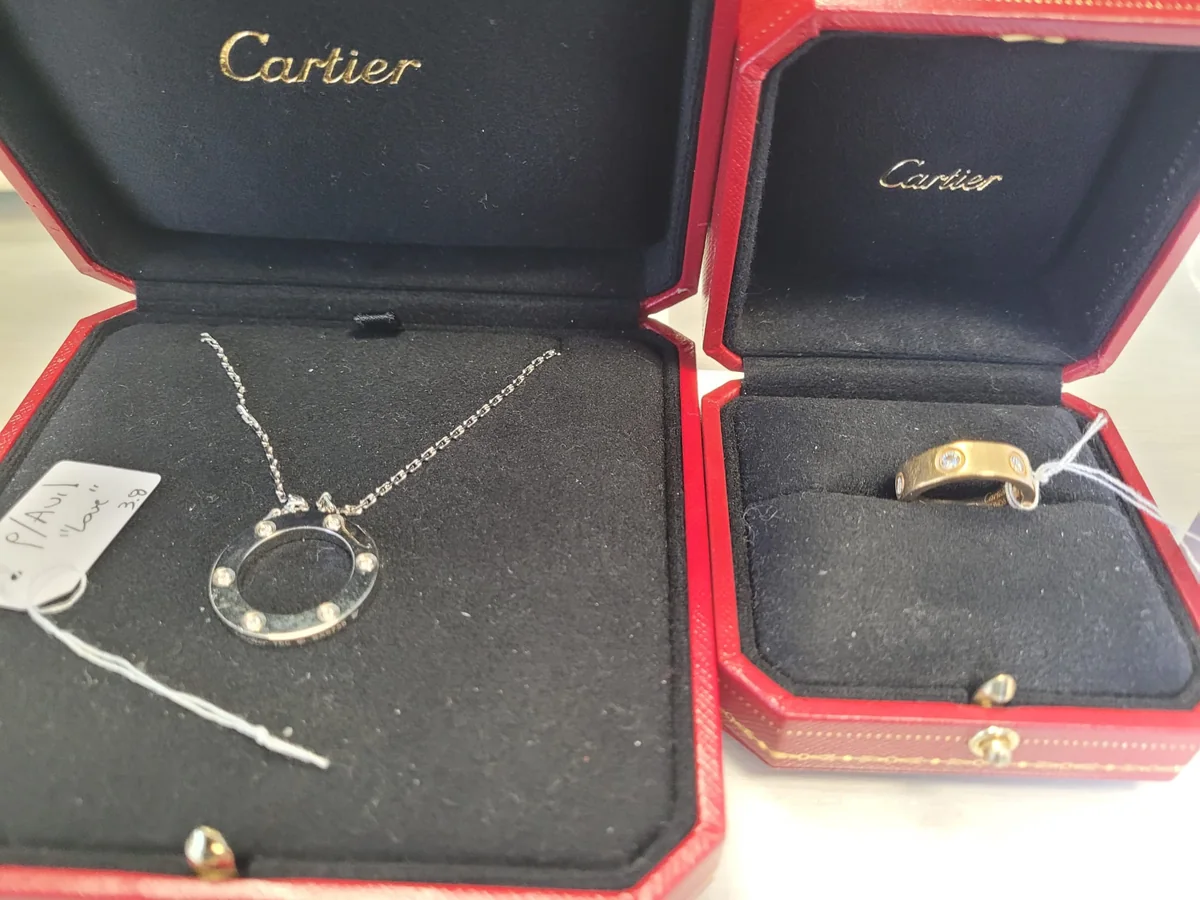
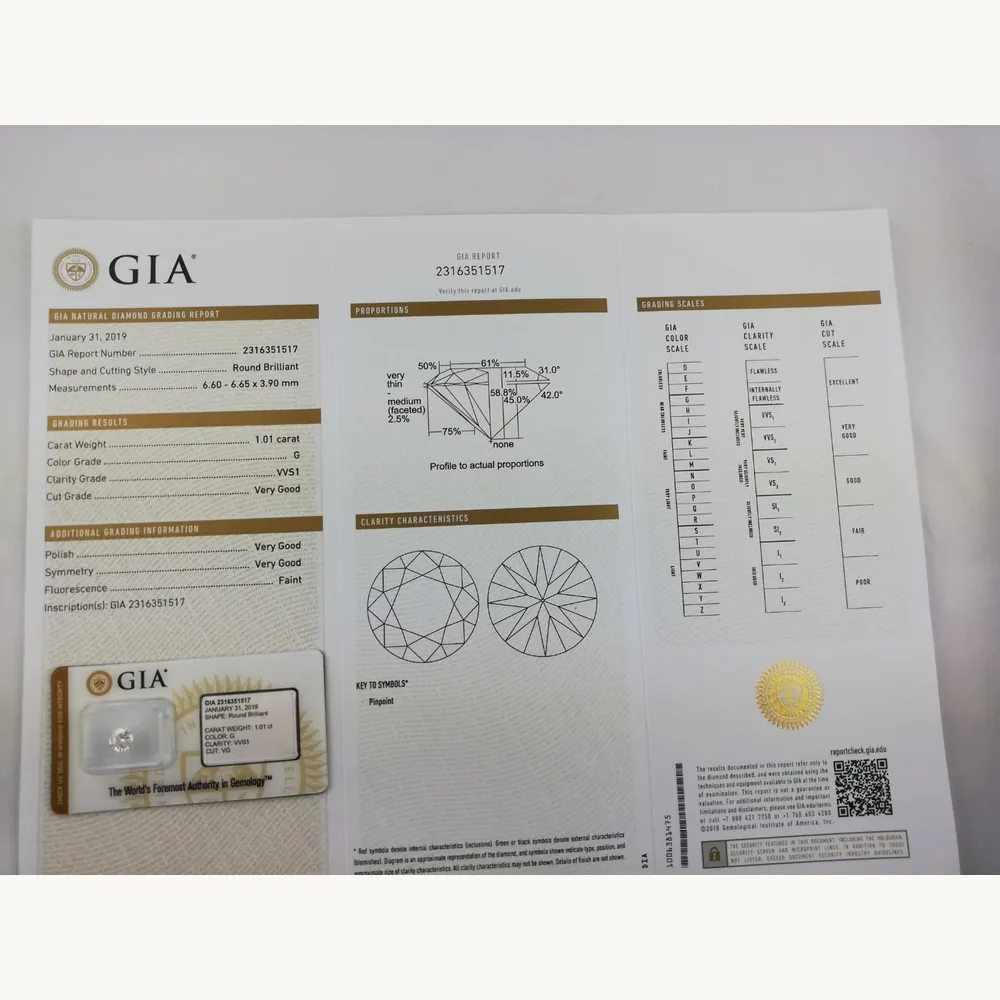
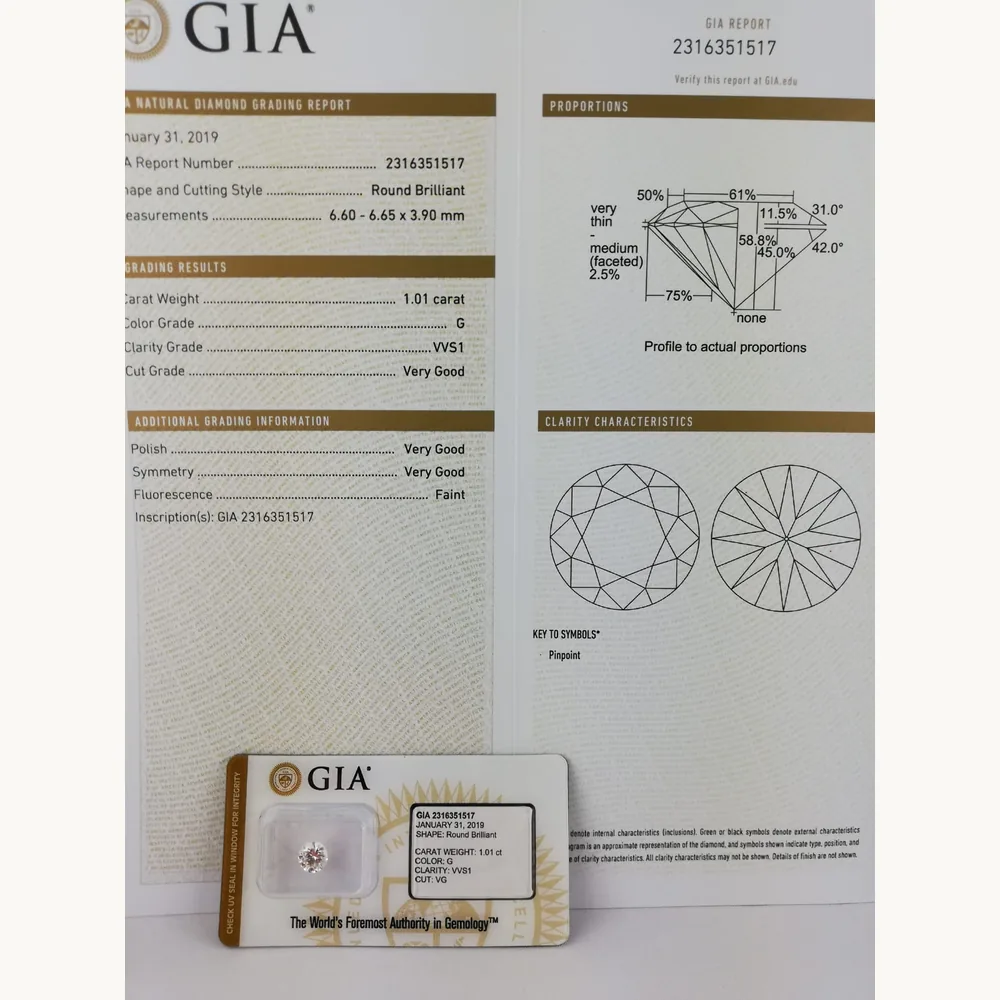
Certified diamonds with GIA, HRD or IGI reports, loose or mounted. Engagement rings, from plain solitaires to signed models. Inherited jewellery, often with no paperwork at all, where hallmarks and construction have to speak instead. Signed pieces by Cartier, Van Cleef & Arpels, Bulgari and Chopard, where the maison weighs as much as the stones.
Coloured stones, watches and jewellery without diamond content fall outside what this desk handles. Saying so at the start is more useful than accepting everything and producing a thin answer. When a piece belongs elsewhere, you are told so, along with the kind of specialist worth approaching.
Documents before opinions
The method is plain. You send whatever exists: a report number, pictures from several angles, close-ups of any mark or signature, an invoice, the box. Those are read before any view is formed, and the reply sets out what they establish, what stays uncertain, and what an examination would settle.
No firm price is quoted at that stage, by anyone here, because a responsible figure cannot be attached to an object that has not been handled. What arrives instead is a documented reading and a clear account of the likely outcomes, which is what an owner needs before deciding whether to go on.
Why people come
A posting that ends and a household that moves. An estate to divide between siblings living in three countries. A separation. A stone bought abroad that never suited. A collection nobody in the family wants to wear. Each carries its own urgency, and none is anyone else's business beyond what advising well requires.
The reason matters only because it shapes the sensible route. An owner with a deadline and an owner without one should not receive identical advice, and someone still hesitating deserves a reading that makes keeping the piece as easy a decision as parting with it.
Meeting, and what comes after
Appointments are private and arranged one at a time. Documents are verified, the piece is inspected while you sit with it, and where the file holds, an offer is put to you together with an explanation of how it was reached. Payment terms and the practical steps of a transfer are discussed openly before anything is agreed.
You may leave with your jewel. That happens regularly and counts as a normal conclusion. Afterwards nobody chases you, no artificial deadline is attached to the offer, and there is nothing to pay for having asked.
Confidentiality, tax and the awkward questions
Nothing about a file is published, repeated elsewhere or reused. Owners often ask about tax on the sale of personal property in Hungary, and about the rules that apply when a valuable piece crosses a border. The answers depend on your residence and your circumstances, so the honest response is to point you towards a qualified adviser rather than improvise.
What can be supplied is the documentation that makes such advice possible: a precise description of the piece, its grading references and a written record of the transaction. Anyone intending to declare a sale should have that in hand, and it is prepared as a matter of course.